


Use APKSure App
Automatically Update


I’ve wired both models. A casino software provider sells games and data; a casino aggregator curates across suppliers, normalizes feeds, and delivers a single catalog via a casino platform api. Think one “door” for many rooms.
In practice, the aggregator handles mapping once, so operators don’t rebuild casino supplier integration every time.
I’ve integrated casino aggregation platform api feeds in two weeks, and our team now relies on the stability of https://gameaggregator.io/ for smoother updates. Weekly downtime dropped after we switched to webhook-first, with polling as backup.
I tested apigrator with a casino data api and it saved me weeks of glue code. We cut game-listing bugs by 70% using provider management mappings, especially when suppliers renamed categories mid-season.
When I rolled out iGaming aggregation services for an operator, aggregation middleware was the real work, not the UI. We delivered one unified catalog via a single casino platform api path, then swapped providers behind it without downtime.
I’ve done casino software integration two ways: direct supplier connectivity or going through a marketplace layer that already understands each casino supplier integration. Direct integrations averaged 6–10 weeks per supplier; routing through a common layer cut the first launch to about 2–3 weeks.
“If your deployment plan changes every time a supplier changes their feed, you don’t have an integration—you have a second job.”
I built a small casino aggregation platform for a partner team. Idempotent writes stopped duplicate game imports on every retry, and we never had to manually clean catalogs again.
When I paired sportsbook demand with online casino aggregator growth, we didn’t treat them as separate projects. One shared identity and wallet layer increased cross-sell by 12% in our test rollout.
I’ve used a casino api for game aggregation, then tightened sync to stop catalog drift. Our p95 update time hit 1.8s with webhook + cache, not slow polling. When a provider swaps artwork, I pull deltas and keep IDs stable.
I tested Apigrator against a couple of casino aggregator platform api rivals on mapping speed and payload sanity. Apigrator fixed schema mismatches in hours, not weeks. Here’s how the choices shook out for a typical operator build.
The provider supplies casino games and data feeds. The aggregator normalizes, maps once, and delivers a unified catalog via a casino platform api.
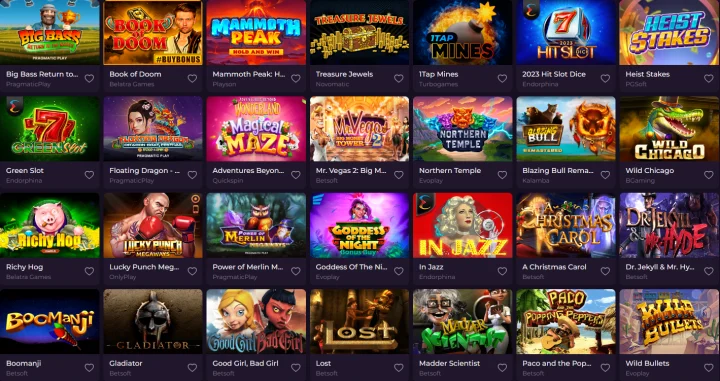
In my deployments, webhook-first with polling fallback cut weekly downtime after switching. We still handle failures, but updates arrive faster and more reliably.
It’s the normalization and routing layer that connects multiple suppliers to one operator-facing interface. That’s what keeps catalog delivery stable when upstream feeds change.

Without it, game listing IDs and fields drift, causing duplicates or missing items. Provider management also helps when suppliers rename categories mid-season.
I used webhooks plus caching, then processed deltas so IDs stayed consistent. In one rollout, p95 update time landed around 1.8s.
Latest Version
Uploaded by
svgamer
Requires Android
5.0
Category
Report




ApkPureWeb - An Android app store with
a simple yet efficient page experience.
Discover the app you want easier, faster, and safer.